

Exploring the impact of luck versus skill in gambling

The Nature of Luck in Gambling
Luck is often heralded as the primary force driving outcomes in various forms of gambling. This concept can be observed in games such as slot machines and roulette, where players place their bets and await the results that are entirely dictated by chance. The randomness inherent in these games means that no amount of preparation or strategy can alter the outcomes. Players may win or lose based solely on fortune, leading to both exhilarating highs and devastating lows. This inherent unpredictability is a significant draw for many players at an instant withdrawal casino , offering the promise of sudden wealth and excitement.
Furthermore, the psychological effect of luck cannot be understated. Many players believe in lucky charms or rituals, hoping that they can influence the outcome of their games. This phenomenon speaks to the human desire for control in situations governed by chance. However, studies indicate that while these beliefs may provide emotional comfort, they do not significantly affect the odds of winning. The randomness remains, and luck continues to play a pivotal role in gambling outcomes. The power of belief can provide a psychological edge, but it does not change the fundamental nature of the games.
In various cultures, luck is viewed differently, with certain symbols or numbers considered auspicious. For instance, in some Asian cultures, the number eight is believed to bring prosperity and success, leading players to favor it in games. This cultural dimension adds an additional layer to understanding luck in gambling; it isn’t just random chance but also intertwined with social beliefs and customs. Despite the limited role that luck plays in determining outcomes, it remains a central narrative in the realm of gambling, influencing how players approach their gaming experiences and the strategies they employ.
The Role of Skill in Gambling
Contrary to the luck-dominated narrative of certain gambling forms, skill undeniably plays a significant role in many others, especially those involving strategy and decision-making, such as poker and blackjack. In these games, players who invest time in learning strategies, practicing their skills, and analyzing their opponents can significantly enhance their chances of winning. The psychological elements of bluffing, reading your opponent’s body language, and calculating odds all emphasize the importance of skill in achieving success. Mastery of these elements can turn the tide of the game in a player’s favor, showcasing that skill can indeed influence outcomes.
Moreover, many professional gamblers argue that skill can mitigate the role of luck over time. In a game like poker, for instance, while a new player may lose consistently due to lack of experience, a skilled player can make informed decisions that sway the odds in their favor. This disparity highlights that while luck can affect short-term results, skilled players are better positioned for long-term success. Understanding which combinations of cards to play and when to fold demonstrates the leverage skill provides in the gambling landscape, as it allows players to capitalize on favorable situations while minimizing losses.
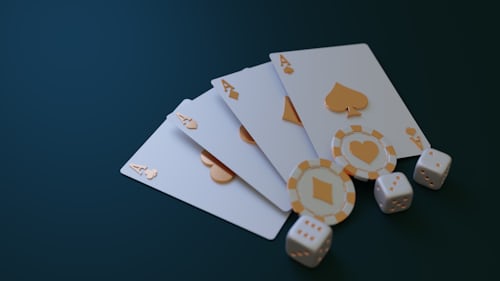
Furthermore, strategic skill isn’t just limited to games involving cards or dice. Various betting systems in sports wagering illustrate how analytical skills can offer an edge. Here, bettors analyze statistics, player performance, and situational contexts to make informed betting choices. This analytical approach showcases how the combination of skill and knowledge can turn gambling into a more strategic endeavor than merely relying on chance. Ultimately, the balance of skill and luck continues to shape player outcomes across various gambling formats, with skilled players often finding ways to adjust their strategies based on their understanding of luck’s influence.
The Intersection of Luck and Skill
While it may seem that luck and skill exist on opposite ends of the gambling spectrum, they often interact more intricately. The relationship between the two can be observed in several games where both elements play essential roles. For instance, in poker, a skilled player may be dealt poor hands over multiple rounds due to bad luck. However, their understanding of betting strategies may enable them to capitalize on weaker opponents. This interplay serves as a reminder that mastery in gambling lies not merely in avoiding bad fortune but in navigating it strategically, making the most of the cards they are dealt.
Moreover, recognizing the limits of luck can also empower players to develop their skills. When players understand that they cannot change the randomness of a slot machine’s outcome, they may choose to focus on honing their skills in more strategic games. This perspective shift not only enhances enjoyment but can also lead to better decisions, maximizing potential wins while simultaneously reducing losses. The realization that skill can steer outcomes helps players develop a more informed gambling approach, fostering a mindset that values both elements in their gaming strategies.
This intersection is especially significant in competitive environments, where skilled players must adjust to the whims of luck among a field of opponents. Events such as tournaments demonstrate this blend vividly, as players must rely on their skills while also praying for favorable card distributions or outcomes. Therefore, a comprehensive understanding of gambling must embrace both elements, recognizing how they coexist and influence each other in diverse gaming scenarios. This understanding can ultimately enhance a player’s experience, making them more adaptable and resilient in the face of uncertainty.
The Psychological Impact of Luck and Skill
The concepts of luck and skill not only influence outcomes but also leave a substantial psychological impact on players. Gamblers often experience fluctuations in confidence based on their perceived dominance of either element. For example, a player who relies heavily on luck may feel elated after a big win but also experience despair following a streak of losses. This cycle of highs and lows can lead to behavioral patterns such as chasing losses, adversely affecting their overall gambling approach. Understanding these psychological dynamics can help players make more informed decisions about their gambling habits.
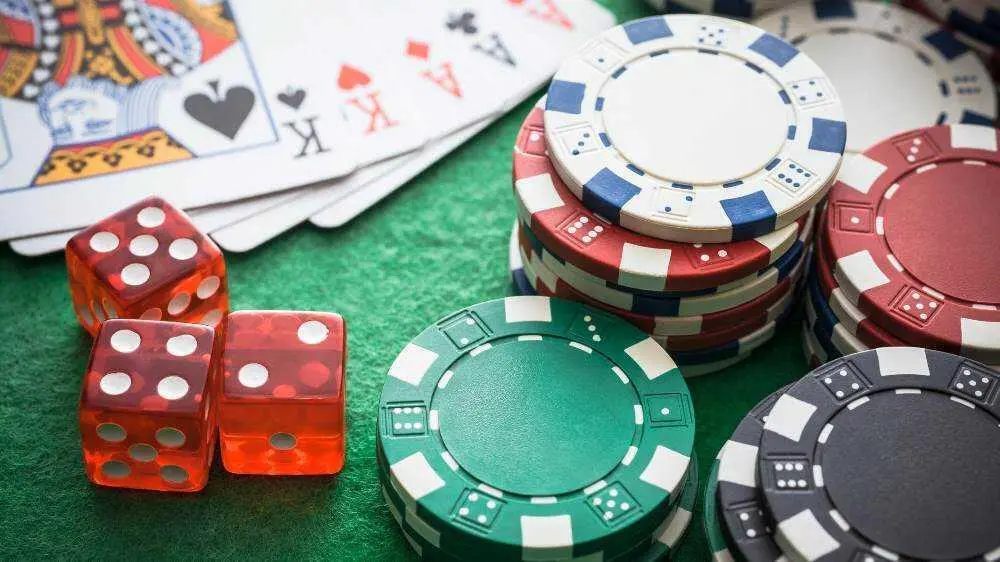
On the other hand, players who possess strong skills often maintain a more stable emotional state. They understand that their expertise can help mitigate bad luck, fostering a sense of control in unpredictable environments. Such players are often more resilient in the face of defeat, as they can analyze outcomes and learn from them, thereby improving future performance. This psychological fortitude highlights the benefits of cultivating skills over mere reliance on luck, encouraging players to adopt a growth mindset that views challenges as opportunities for improvement.
Moreover, the influence of both elements can lead to cognitive biases, where players may erroneously attribute wins to their skill while blaming losses solely on bad luck. This distortion can perpetuate gambling misconceptions and unhealthy practices. To combat these biases, education on the roles of luck and skill is crucial, encouraging players to develop comprehensive strategies for approaching gambling. A healthy understanding can help ensure that players engage with gambling responsibly, appreciating both the thrills of luck and the rewards of skill, ultimately creating a more balanced approach to their gaming experiences.
Conclusion: Understanding the Balance
The exploration of luck versus skill in gambling reveals a complex tapestry of influences that shape the gaming experience. While luck undeniably plays a significant role in many games, the impact of skill cannot be underestimated. Players who develop their skills can navigate the unpredictable landscape of gambling more effectively, leading to long-term success. Understanding this balance is essential for both casual gamblers and seasoned professionals alike, as it informs their strategies and helps manage expectations.
Furthermore, cultivating a healthy relationship with both luck and skill enables players to approach gambling with a more informed and balanced mindset. Recognizing the role of luck can enhance the enjoyment of games that rely heavily on chance, while investing time in skill development can prepare players for games where strategy is paramount. In this way, gamblers can experience a more rewarding and fulfilling engagement with their chosen games, regardless of the chance involved. This appreciation for both elements can enrich the overall gambling experience.
As players continue to navigate the world of gambling, the importance of understanding the interplay between luck and skill remains paramount. By fostering skill alongside embracing the unpredictable nature of luck, individuals can enhance both their gaming experience and overall enjoyment. This balanced approach ensures that gambling remains a thrilling adventure, rich with possibilities and challenges that continue to captivate players worldwide. A deeper comprehension of these dynamics can lead to more responsible gambling practices, enabling players to enjoy their experiences without losing sight of the true nature of chance and skill.